Recreational Vehicles Insurance Guide for Gulf Coast Living
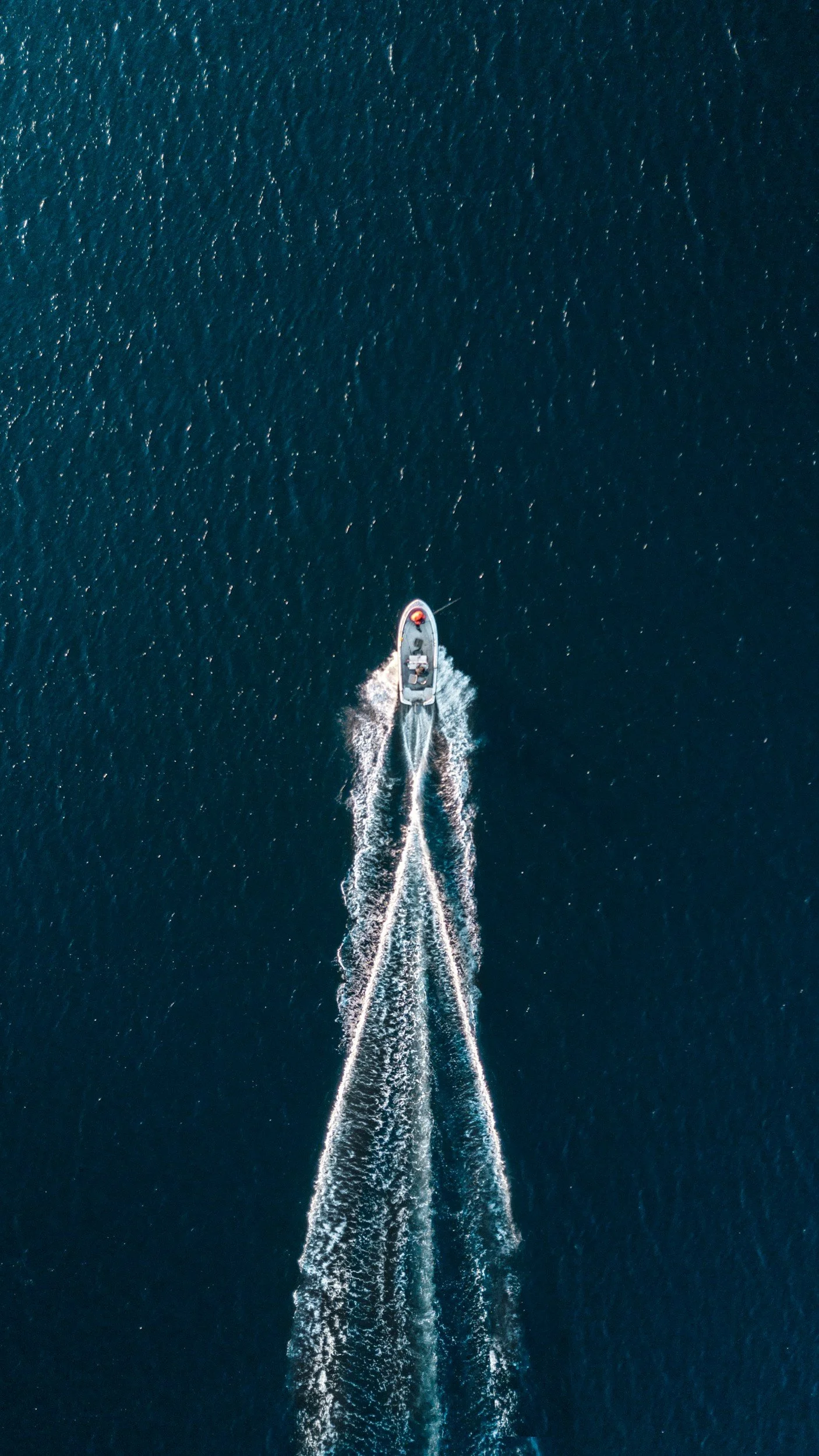
Boat Insurance, Watercraft Coverage, and Everything You Need to Stay Protected on the Water, in the Woods, or at Home.
Life on the Gulf Coast goes far beyond your home. It extends to the water, the trails, and everyday neighborhood cruising. Whether you are out on your boat, driving a golf cart along the coast, or riding ATVs on the weekends, having the right insurance coverage matters more than most people realize. Our content is designed to help you understand how different recreational policies work, what they actually cover, and where costly gaps can hide.
While we place a strong focus on boat and watercraft insurance, given the unique risks of coastal living, we also break down coverage for golf carts, ATVs, and other recreational vehicles so you can make smart, informed decisions across the board. Everything we publish is built to give you practical clarity, not confusion, so you can enjoy your time off with confidence.
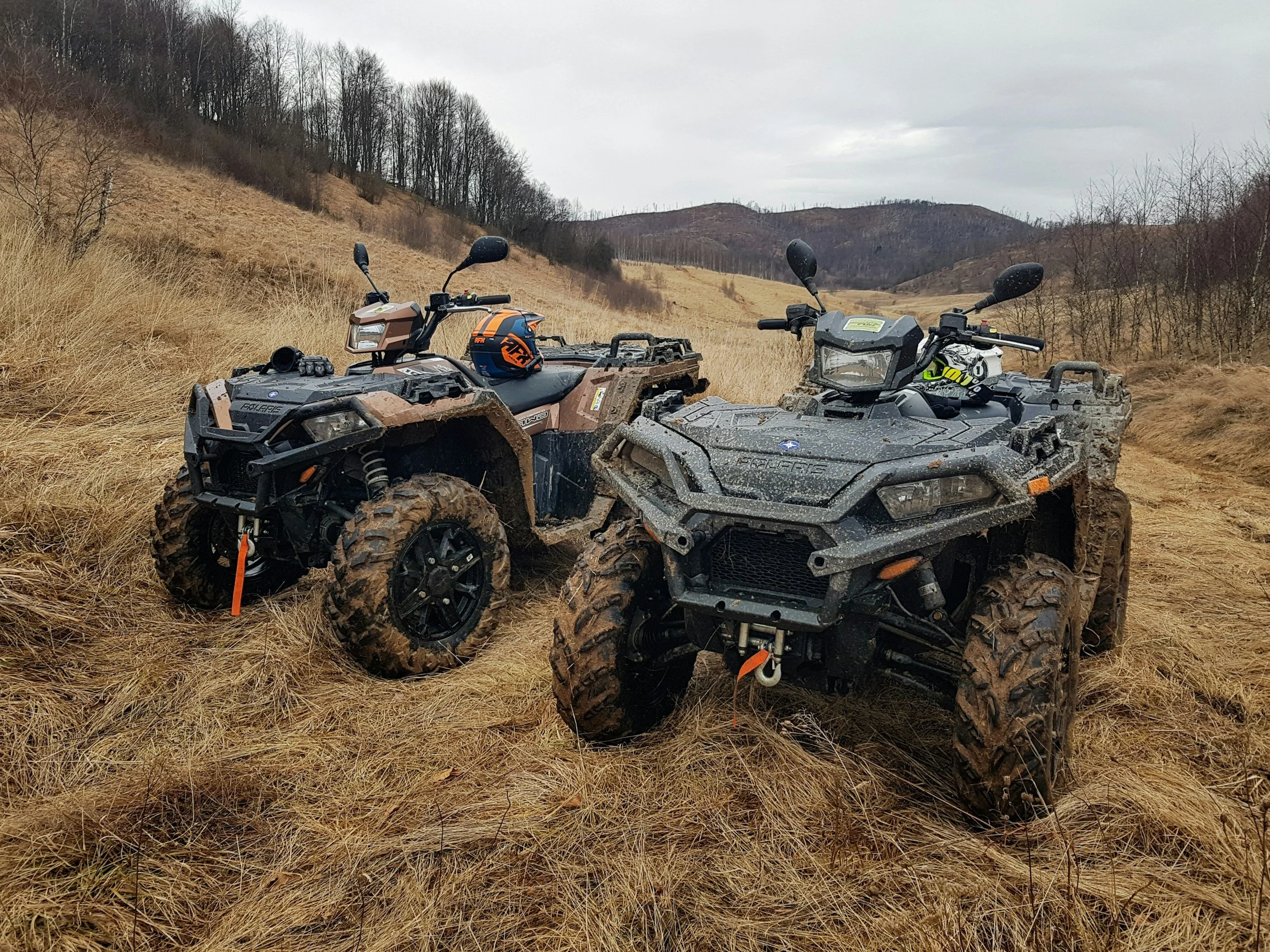
What You Need to Know
Our Approach to Recreational Coverage
We believe protecting your adventures should feel as rewarding as living them. Our approach goes beyond policies. It’s about helping you understand how your coverage works and why it matters. Whether it’s your boat, RV, ATV or another recreational vehicle, we aim to leave you with confidence, clarity, and coverage that feels genuinely useful for the way you live and play
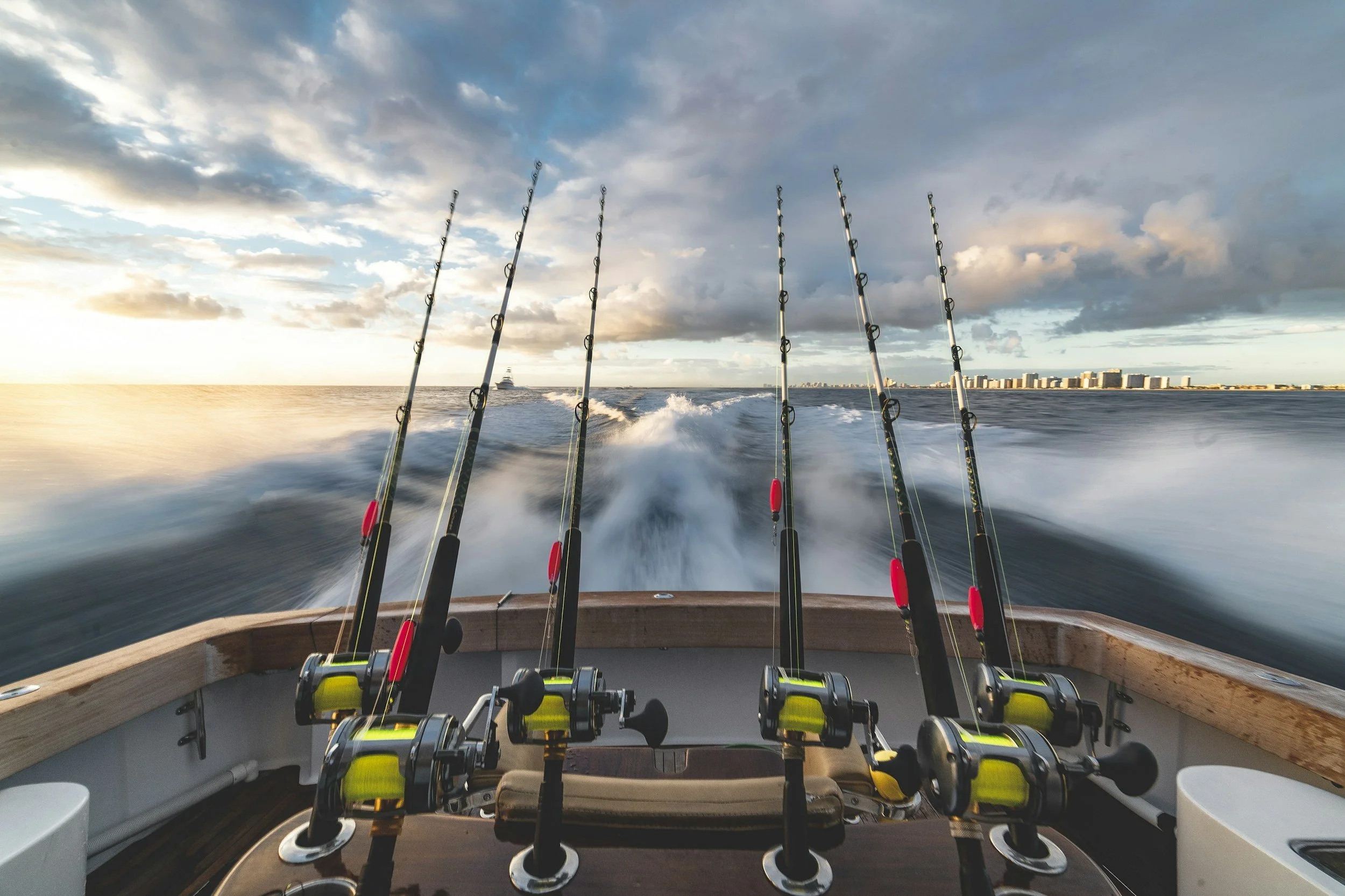
Boat Insurance 101The #1 Thing Every Boat Owner Should Know about Boat Insurance
Most boat insurance policies don’t automatically cover damage that happens off the water. This includes trailering accidents, storage-related damage, or theft while your boat is parked at home or in a marina. Making sure your policy includes transit coverage, storm protection, and theft coverage is the key to fully protecting your investment year-round.
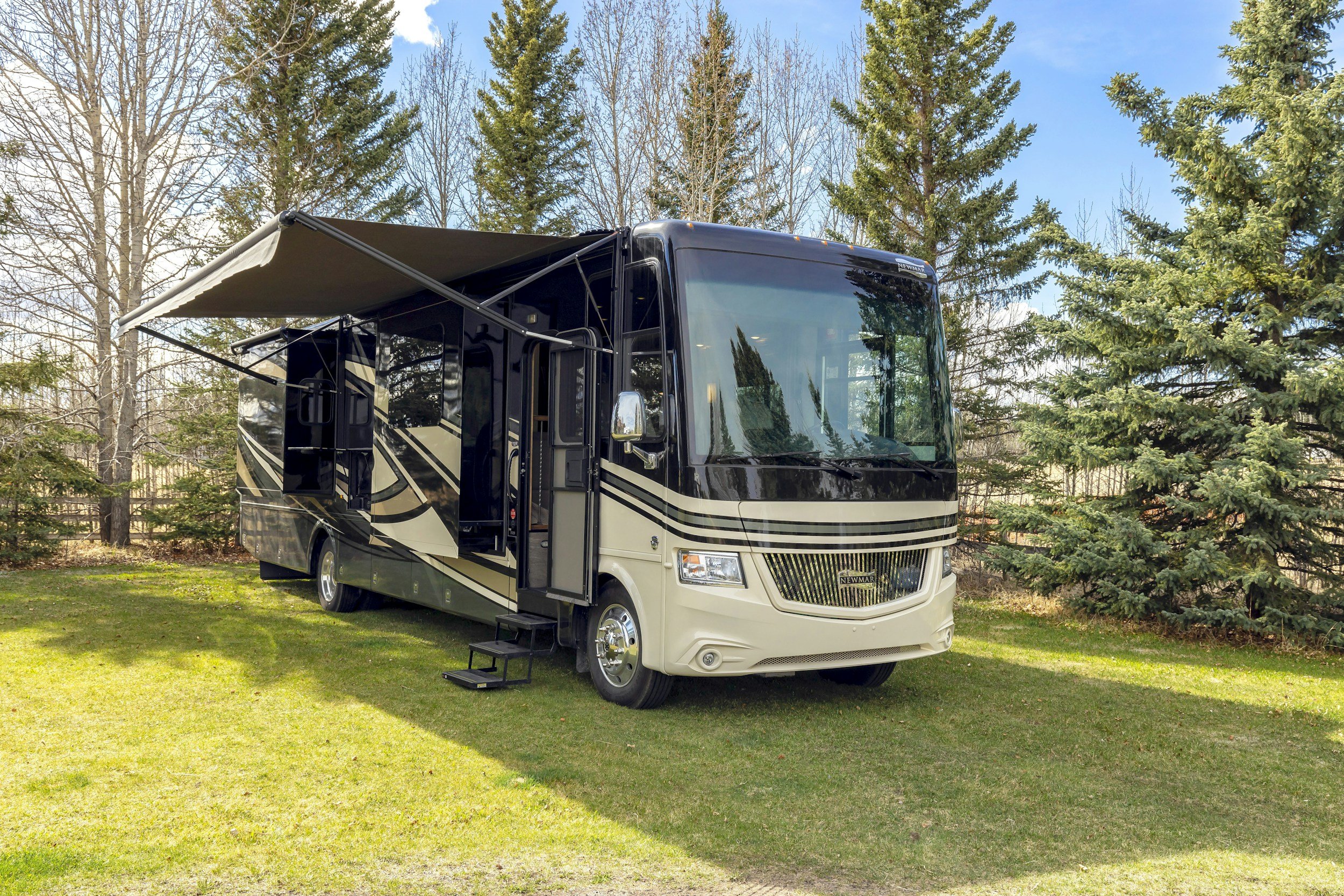
RV Insurance 101The #1 Thing Every RV Owner Should Know about RV Insurance
Most RV insurance policies don’t automatically cover the personal belongings inside your RV or damage that happens while it’s parked, stored, or used as a full-time residence. To fully protect your investment, you need coverage that includes personal property protection, comprehensive storage coverage, and liability protection for when your RV is used like a home. Without these add-ons, RV owners are often surprised by what isn’t covered

ATV Insurance 101Biggest ATV Insurance Fact to Know
ATV insurance gives riders liability coverage, collision protection, collision protection, and accessory coverage for custom parts. Keeping you protected on trails, private land, and rural roads.
Get in Touch
Our Partner provides the insurance you need for boats, golf carts, ATVs, and more. Learn how to protect your equipment, avoid gaps in coverage, and make smarter decisions before something goes wrong.

Recreational Vehicle Insurance FAQs
-
In most cases, homeowners insurance provides very limited coverage for recreational vehicles, and often only while they are stored on your property. Once you take them out on the water, trails, or roadways, coverage is typically excluded. Separate policies or endorsements are usually needed to ensure proper protection where and how you actually use them.
-
Boat insurance can include coverage for physical damage to your vessel, liability protection if you cause injury or property damage, and additional protection for equipment, towing, and emergencies on the water. Coverage can vary depending on how and where your boat is used, which is why understanding your policy details is especially important on the Gulf Coast.
-
While insurance may not always be legally required, it is often recommended. Golf carts and ATVs can still cause accidents, injuries, or property damage, especially in neighborhoods, campgrounds, or off-road areas. A dedicated policy can provide liability protection and coverage for damage or theft, helping you avoid out-of-pocket expenses.
-
The cost of coverage can depend on several factors, including the type of vehicle, its value, how often it is used, where it is stored, and your location. For example, boats used in coastal waters may carry different risks than those used inland. Understanding these factors can help you make informed decisions about coverage and cost.