
Explore Our Auto Savings
What You Need to Know
Many drivers do not fully understand what their auto insurance policy includes. A standard policy is made up of several key coverages:
Liability Coverage helps pay for injuries and property damage you cause to others
Collision Coverage pays for damage to your vehicle after an accident
Comprehensive Coverage protects against non-accident events like theft, flooding, hail, and storm damage
Uninsured/Underinsured Motorist Coverage protects you if another driver does not have enough insurance
For Gulf Coast drivers, comprehensive coverage is especially important due to hurricanes, heavy rain, and flooding risks. Without it, storm damage to your vehicle may not be covered.
Know What Your Auto Insurance Actually Covers
Auto insurance premiums are calculated based on several risk factors. Knowing these can help you lower your costs:
Driving history and past claims
Vehicle type, age, and safety features
Location, including coastal weather exposure and traffic conditions
Credit profile in most states
Coverage limits and deductible selection
Drivers in coastal areas often pay higher premiums due to weather-related risks. However, discounts for safe driving, bundling home and auto insurance, and installing anti-theft devices can help offset costs.
Understand What Impacts Your Auto Insurance Rates
Filing an auto insurance claim correctly can save time and reduce stress. Here are key steps every driver should know:
Document the scene with photos and detailed notes
Exchange information with other drivers involved
Report the claim as soon as possible
Understand your deductible and coverage limits before repairs
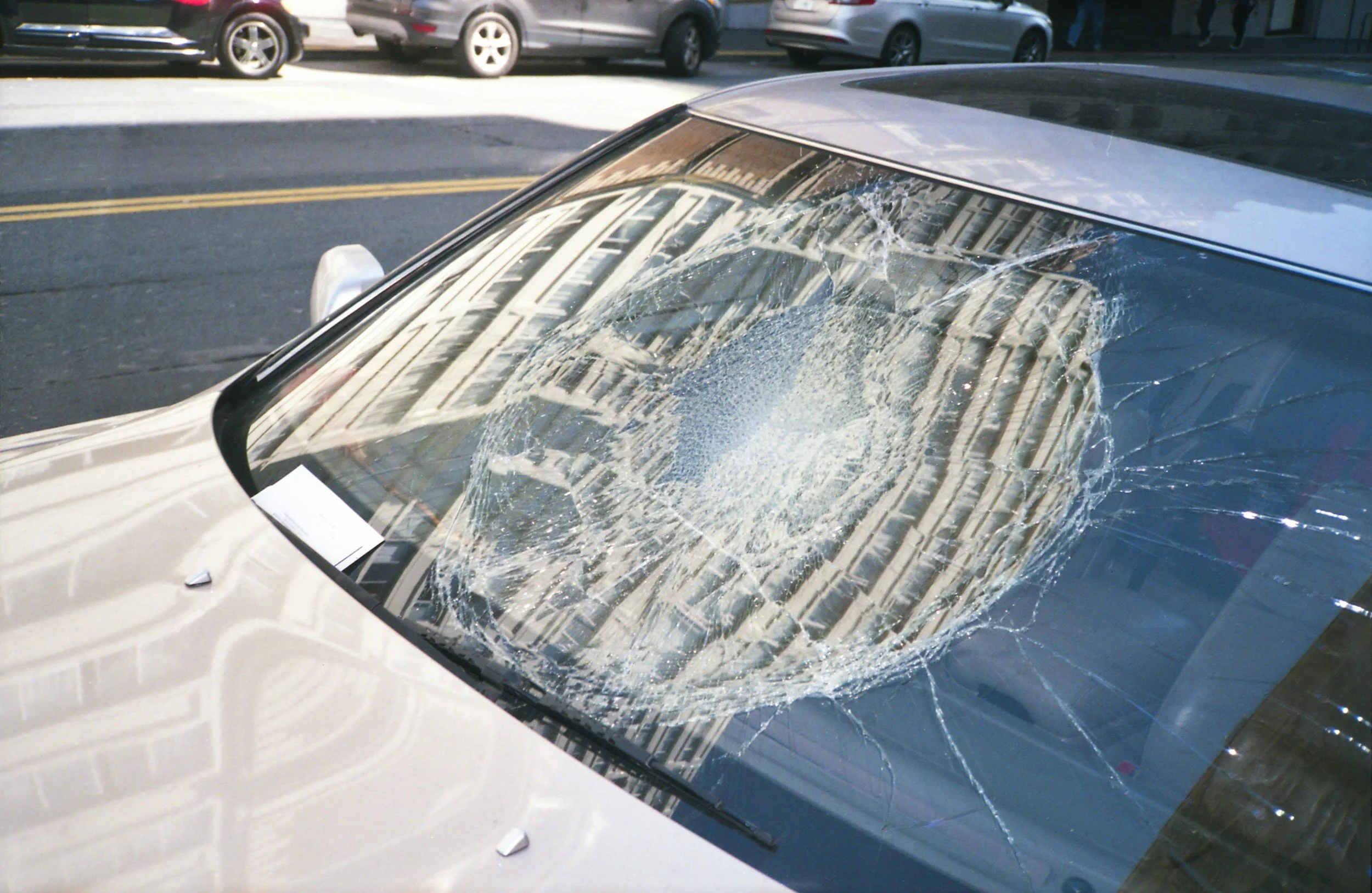
After storms, damage from flooding or falling debris may fall under comprehensive coverage. Fast reporting and proper documentation are critical for a smooth claims process.
Be Prepared for Accidents and Storm Damage Claims

Request a Personalized Consultation
Complete the brief form to initiate a detailed discussion regarding tailored insurance strategies designed to protect your largest investment.
Powered by our premier insurance partner:
Auto Insurance
Frequently Asked Questions
-
Auto insurance typically includes several types of coverage, such as liability protection, collision coverage, and comprehensive coverage. Liability helps pay for damage or injuries you cause to others, while collision covers your vehicle after an accident. Comprehensive coverage protects against non-collision events like theft, weather damage, or hitting an animal. Understanding how these pieces fit together helps you build a policy that matches your needs.
-
Liability-only insurance covers damage or injuries you cause to others but does not pay for repairs to your own vehicle. Full coverage generally includes liability, collision, and comprehensive coverage, giving you broader protection. While full coverage costs more, it can be especially important if you have a newer or higher-value vehicle.
-
There are several ways to reduce your premium, including increasing your deductible, bundling policies, maintaining a clean driving record, and taking advantage of available discounts. However, it is important to balance cost savings with maintaining enough coverage to protect yourself financially in the event of an accident.
-
On the Gulf Coast, weather-related risks are a major concern. Damage from hurricanes, flooding rain, hail, or falling objects is typically covered under comprehensive coverage, not liability or collision alone. Reviewing your policy to confirm you have comprehensive protection in place is especially important in coastal areas.
-
You should review your auto insurance at least once a year or anytime your situation changes. This includes buying or selling a vehicle, moving, adding a driver, or experiencing a major life event. Regular reviews help ensure your coverage stays aligned with your needs and that you are not paying for unnecessary or outdated protection.
-
If you are involved in an accident with a driver who has little or no insurance, uninsured and underinsured motorist coverage can help protect you. This type of coverage can pay for medical expenses, lost wages, and in some cases vehicle damage when the at-fault driver cannot cover the costs. Given how common uninsured drivers can be, especially in some areas, this coverage is often an important part of a well-rounded policy.